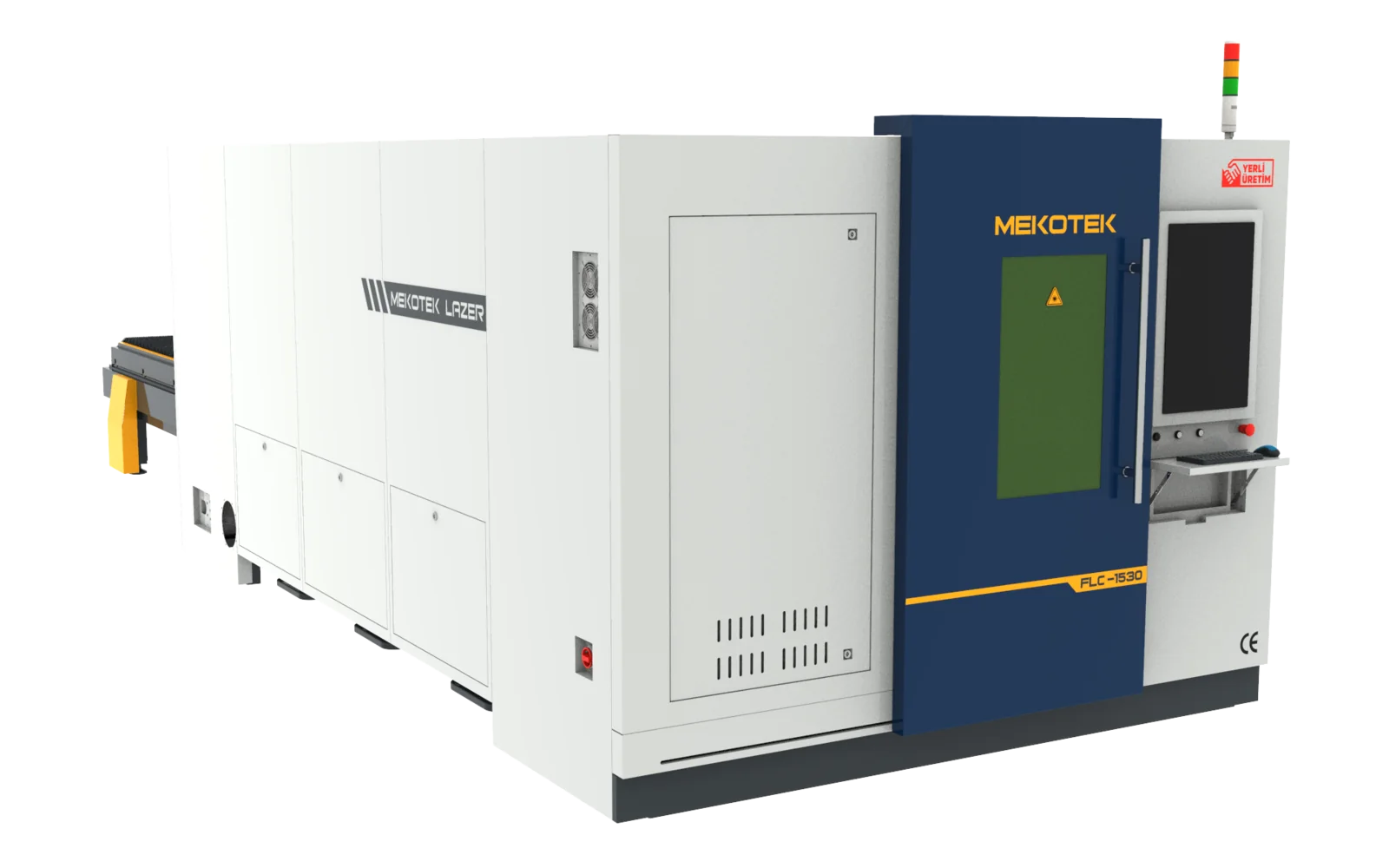
Fiber Laser vs CO2 Laser: A Practical Comparison for Metal Fabricators
By Brad Cairns
Published Updated
A metal fabricator specifying a new cutting machine today is very likely comparing fiber laser options against each other, not against CO2 — but understanding why that shift happened, and where CO2 still holds a place, makes the specification decisions that follow easier to defend. This article covers how the two processes actually differ, what that difference means for material choice, and how the running-cost and maintenance structure compares. Mekotek supplies fiber laser cutting, tube cutting and welding systems; this is a technology comparison to help you specify correctly, not a comparison between two Mekotek product lines.
How the two processes generate and deliver the beam
The distinction that drives everything else is where the beam comes from and how it gets to the work.
A fiber laser generates its beam inside a doped optical fiber, pumped by diode lasers, and delivers that beam to the cutting head through a flexible fiber-optic cable. There is no laser gas involved in generating the beam, and there is no chain of mirrors carrying it from a resonator to the head.
A CO2 laser generates its beam in a sealed tube or resonator containing a gas mixture, electrically or radio-frequency excited, and delivers that beam to the cutting head along a path of precisely aligned mirrors. The gas must be maintained and periodically replenished, and the mirrors must stay clean and aligned for the beam to arrive at the head undistorted.
That single difference in beam generation and delivery is the root of nearly every practical difference covered below: which materials each process suits, what wears out and needs attention, and what a shop budgets for upkeep.
Wavelength and material suitability
The wavelength a fiber laser produces is absorbed efficiently by metals, which is the structural reason fiber has become the technology specified for metal cutting. CO2's longer wavelength couples well with a broader range of materials, including non-metals, but is less efficiently absorbed by bare metal than fiber's wavelength.
In practice, this means:
- For sheet steel, stainless and aluminum, fiber's wavelength match is the reason it has become the default choice for new metal-cutting equipment.
- CO2 remains a live option for acrylic, wood, MDF, some plastics, textiles, leather and paper products — materials where fiber is not the right process at all.
- A shop that cuts only metal has little reason to keep CO2 in the process mix. A shop with a genuine non-metal product line needs a process that handles those materials, and fiber will not substitute for that capability.
Exact thickness capability for either technology depends on the specific machine, its power and its configuration. For Mekotek's fiber range, confirm current thickness and material capability against the published specification table for the model under consideration rather than a general industry figure.
Surface condition matters on both processes but affects them differently. Highly reflective metals such as bare aluminum, copper and brass require different handling on either technology than mild steel, and the settings that work for one grade will not simply transfer to another. Confirm with a supplier how a given machine — fiber or CO2 — handles the specific grades and finishes you run, rather than assuming a general material category behaves uniformly.
Maintenance: what each process asks of your shop
Because a fiber laser has no laser gas and no beam-path mirrors, an entire category of upkeep that CO2 requires does not exist on a fiber machine. There is no gas mixture to monitor and replenish, no resonator tube to service, and no beam-path mirror alignment to check and correct. Fiber still requires maintenance — cutting head, optics at the head, drive system, chiller and rails all need attention on a schedule — but it is a shorter and generally simpler list than a CO2 machine's.
CO2 machines require periodic mirror cleaning and alignment because contamination or drift along the beam path directly degrades cut quality, and this is sensitive work that needs a trained technician to do reliably. The resonator and gas system also carry their own service schedule. None of this makes CO2 impractical — many CO2 machines run reliably for years — but it is a different maintenance profile than fiber, with more components in the beam path that can drift out of tolerance.
Ask any supplier, for either technology, exactly what the manufacturer's documented maintenance schedule requires and who is qualified to perform it in your region before you commit to a purchase.
Running cost structure: what to actually compare
Do not compare fiber and CO2 running costs using a generic percentage or published industry average — build the comparison from the documented cost structure of the specific machines you are evaluating.
The categories that differ structurally between the two technologies:
- Laser gas. CO2 requires a laser gas supply as an ongoing consumable; fiber does not because it has no gas resonator.
- Beam-path optics. CO2's mirrors are consumable and maintenance items in a way that fiber's simpler beam path is not.
- Electrical efficiency. How efficiently each technology converts input electrical power into usable cutting power differs by design, but the electrical draw of any specific machine depends on its rated power, duty cycle and configuration — confirm the figure for the exact model, not a category average.
Electrical efficiency differences between the two beam-generation methods are well documented in the laser industry generally, but the number that matters to your operating budget is the measured draw of the specific machine you are quoting, under the duty cycle you will actually run it at — not a category-level efficiency claim.
The categories that apply to both, and vary by material and thickness rather than by technology:
- Assist gas or compressed air consumption, which is a function of material, thickness and cut parameters on either process.
- Consumables at the cutting head — nozzles and protective optics on both technologies, though CO2 adds the beam-path optics above.
- Operator and programming time, which is largely technology-neutral and depends more on part complexity and nesting than on which laser generates the beam.
Ask each supplier for the documented consumable and maintenance schedule for the exact machine quoted, then build your comparison from those documents rather than from a general claim about either technology. If you want to see how running-cost inputs behave against your own volumes, use the ROI calculator with your own utility rates and material mix rather than a supplier's example scenario.
Where CO2 still makes sense
CO2 is not an obsolete technology; it is a specialised one now, for specific and genuine reasons:
- Non-metal cutting. Acrylic, wood, MDF, some plastics, textiles, leather and paper are materials fiber does not suit, and CO2 remains an established process for them.
- Mixed-material shops. A shop where non-metal work is a real part of the business needs a process suited to it, and fiber will not replace that capability.
- Amortised existing installations. A CO2 machine that is fully paid for and running well within its material range does not automatically need replacing on the strength of a technology comparison alone.
- Validated processes. A shop that has already qualified a CO2 process against its own parts and quality requirements has evidence a general comparison cannot override.
If your shop cuts metal exclusively, this is a short decision — fiber is the technology specified for new metal-cutting equipment for the wavelength and maintenance reasons above. If non-metal work is a genuine part of your revenue, plan to keep both processes rather than compromise either. A shop weighing whether to add a first laser at all, rather than which laser technology to add, should also read the comparison of outsourcing versus bringing cutting in-house, since that decision sits upstream of the technology question covered here.
What to decide next, if you cut metal
Once the fiber-versus-CO2 question is settled for a metal shop, the decisions that actually determine which machine to buy are downstream of the beam technology:
- Format — open or enclosed, covered in the companion guide on open versus enclosed lasers.
- Power — sized to your material mix, covered in choosing the right laser power.
- Tube capability — whether a combination or dedicated tube machine belongs in your specification, covered in the tube laser cutting guide.
- Total cost — what a quote should include before you compare suppliers, covered in what drives fiber laser cost.
View the Free Product Brochure — the current Mekotek fiber cutting range: /free-brochure
Common questions
Does Mekotek sell CO2 machines? No. Mekotek supplies fiber laser cutting, tube cutting and laser welding systems, plus CNC press brakes. This comparison exists to help buyers specify the right technology, whichever supplier they eventually choose.
Can a fiber laser cut acrylic or wood? It is not the right technology for those materials. If non-metals are part of your product line, keep a process suited to them rather than trying to substitute fiber.
Is fiber cheaper to run than CO2? Fiber removes laser gas and beam-path optics from the cost structure, which is a structural difference rather than a percentage that applies uniformly. Build the comparison from your own utility rates and the documented consumable and maintenance schedules of the specific machines under consideration.
We already have a working CO2 machine — should we replace it? That depends on your own material mix, throughput and the machine's remaining service life, not on a general technology argument. If it is amortised and serving your material range well, the stronger case is to add fiber capability alongside it rather than replace a working asset.
Bring your material and cut it on a fiber machine before deciding what your next investment should be. Book a Free Live Demo — /demo
See the machines behind the article
Browse the full Mekotek product brochure, or book a live demo and watch a Mekotek fiber laser cut your own material.
Related Articles
How to Choose a Fiber Laser Cutting Machine: A Buyer's Framework
A step-by-step framework for specifying a fiber laser cutting machine and bringing it in-house, from part mix through commissioning and process qualification.
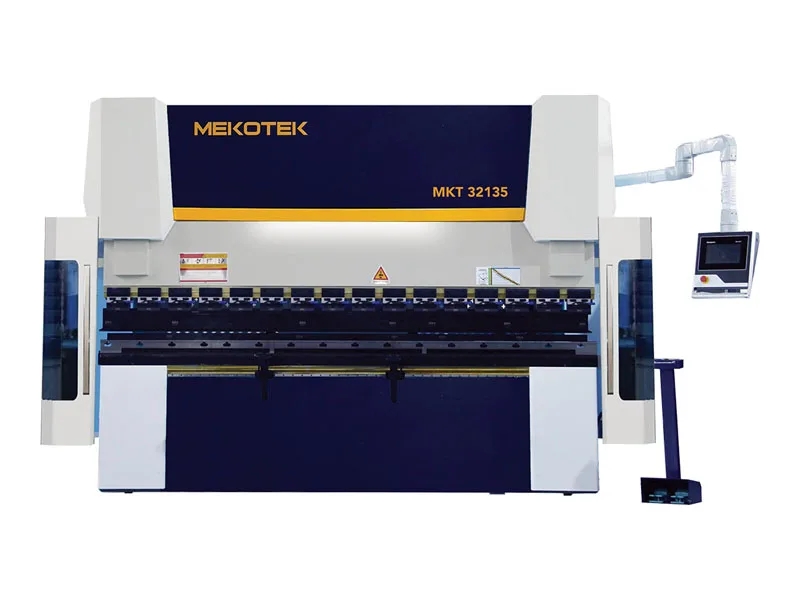
Press Brake Buying Guide: Sizing Tonnage, Length and Tooling
Cutting and bending are sequential operations. This guide covers how to size a CNC press brake once your laser has already made the cut.
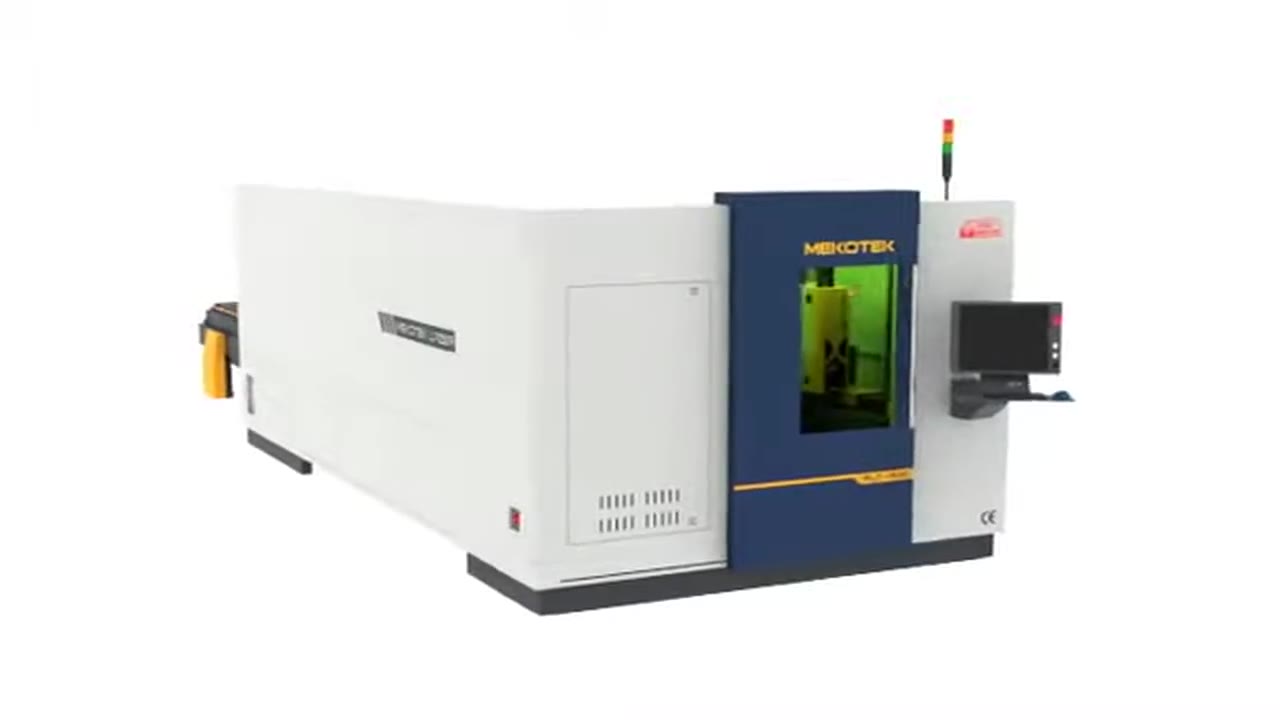
Choosing the Right Laser Power for Your Business: A Sizing Worksheet
Size laser power from your own material mix and shift pattern, not a generic chart. A worksheet you fill in with your own numbers before comparing machines.