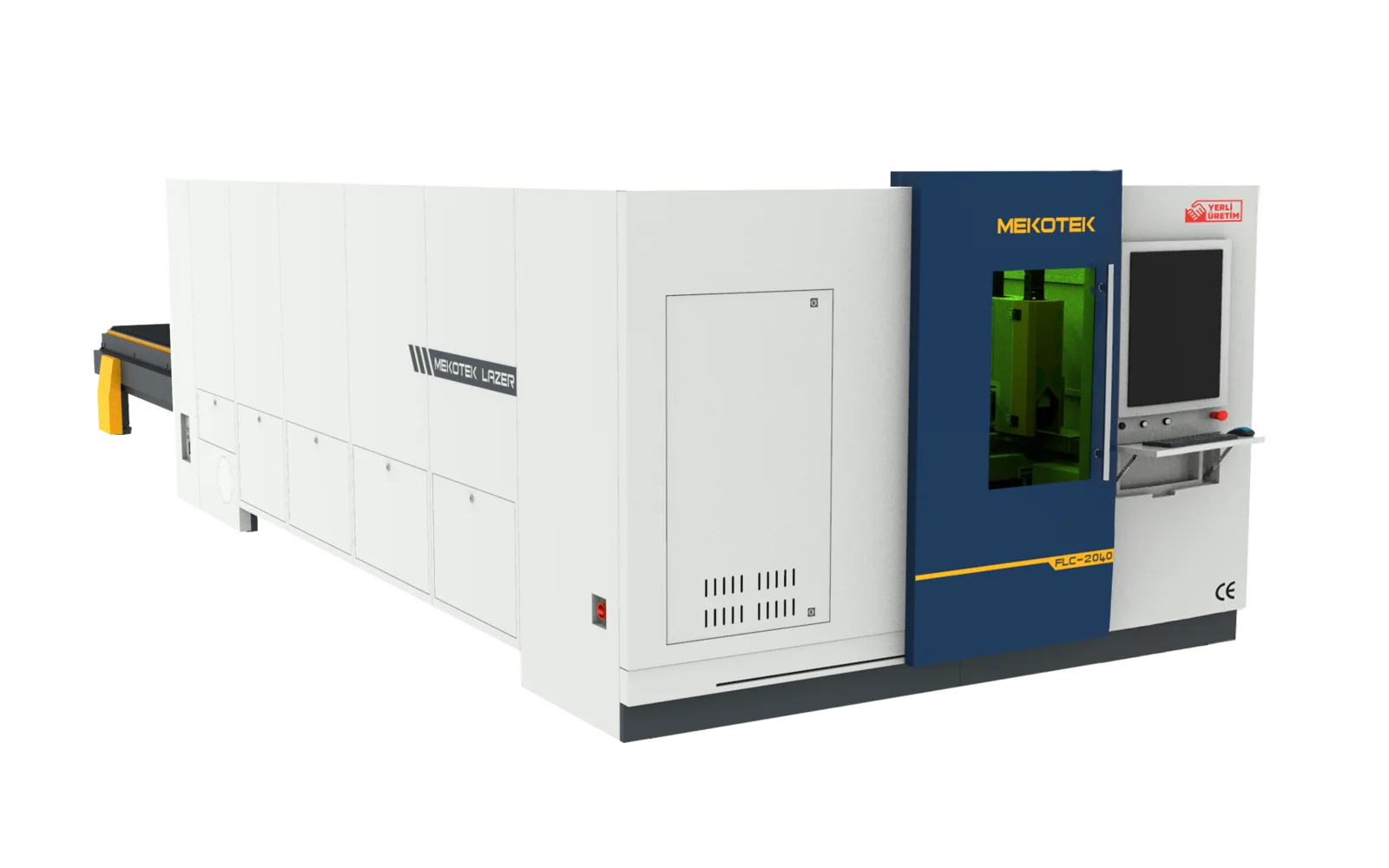
Where Fiber Laser Cutting Is Heading, and What It Means for Buyers
By Brad Cairns
Published Updated
A laser cutting machine is a capital purchase with a service life measured in years, and the part mix a shop runs in year one can look very different by the end of that life. The question worth asking before a purchase is not "what is the future of fiber lasers" in the abstract, but which of the industry's current directions actually change what a specific machine can do for you, and which are sales language attached to a spec sheet. Below are the areas that matter to a purchase decision, one at a time.
Source power, and its diminishing returns
Laser source power has risen steadily across the market, and higher power genuinely cuts thicker material faster, up to a point set by the material and the optics around the source. The practical question for a buyer is narrower than "more power is better": for the material and thickness range you actually run, is the additional power reducing cycle time on those specific jobs, or is it headroom for material you rarely cut. A source sized well above your typical part mix adds cost without adding throughput on the work you actually do. Ask a supplier to show cutting speed at the thicknesses that make up most of your job mix, not only at the maximum capacity the source is rated for.
Beam shaping and process control
Adjustable beam characteristics — changing the beam's shape or focus behavior to suit a given material and thickness rather than relying on one fixed beam profile — is a real area of development in fiber laser sources, aimed at improving edge quality and cutting speed across a wider range of material thicknesses with the same machine. For a buyer, the relevant question is whether this capability is native to the source you are quoted, and whether it covers the specific materials and thickness range you cut, not whether the concept exists in the industry generally.
Gas strategy and cost pressure
Assist gas is a significant, recurring operating cost, and gas strategy is an active area of attention across the industry — including gas selection by material, consumption optimization at the nozzle and process level, and interest in reducing dependence on high-purity nitrogen where oxygen or air can do the job. For a buyer, this translates into concrete questions: what gas does the intended process require for your typical materials and finish requirements, what is the expected consumption pattern, and does the machine's gas delivery system give you control over pressure and flow by program, or is it fixed.
Handling and automation integration
Load and unload automation, tower storage and integration with downstream processes are increasingly common additions to a cutting cell, and they change the economics of a machine substantially, because they affect how much unattended run time the cell can achieve. The buying question is whether the machine you are purchasing has a documented, supported path to add automation later — physical space, control interface, safety architecture — or whether automation would require replacing the machine to add it. Ask specifically what integration was engineered for, not implied.
Software and programming automation
Programming software that reduces manual nesting and post-processing work is a mature and still-improving category, and it materially affects how much operator time a job requires before it ever reaches the machine. For a buyer, the useful comparison is not a feature list but a trial: run a representative job through the actual programming software you would be using, and time it against your current process, rather than accepting a vendor's demonstration on parts chosen to showcase the software.
Service and parts availability over the machine's life
This is the area least discussed in "future of" content, and it has a substantial effect on total cost of ownership. A machine's technology roadmap matters less over its service life than whether parts, consumables and qualified service technicians remain available in your region for the years you plan to run it. Before buying on the strength of a forward-looking feature, ask about the supplier's service footprint and parts supply chain in your region, and how long the current generation of controls and sources has been supported after a newer generation is released.
Future-proofing that is real, versus future-proofing that is a sales line
A few practical distinctions to apply when a supplier uses the word "future-proof":
- Real: documented physical and control-system provision for adding automation later, a source with a track record of parts and service support beyond its own product generation, and gas delivery hardware that supports the range of processes you might need, not only the one you are running on day one.
- A sales line: a claim of future-proofing based on a software feature that is not yet released, a capability described in general industry terms rather than confirmed for the specific model quoted, or "AI-ready" and similar language with no explanation of what hardware or data requirement that would actually depend on.
What this means for a purchase this year
None of the directions above justify buying capability you do not need for the work you actually run. The practical approach is to size source power and process control to your real part mix with some margin, confirm any automation or gas-flexibility claim against the specific machine rather than the industry trend, and weight service and parts availability at least as heavily as any capability that has not yet been demonstrated on your own material.
Energy use and duty cycle
Fiber laser sources are already efficient relative to older cutting technologies, and continued efficiency improvement at the source level is a stated direction of research attention in the industry. For a buyer, the more immediate consideration is duty cycle: how much of a shift the source actually runs at power, since energy cost scales with usage, not with the source's rated capacity. A source sized to your real job mix, run at an appropriate duty cycle, has more effect on operating cost than a marginal efficiency improvement in the source itself.
Workforce and the skills a machine actually requires
A machine's software and automation reduce some manual work, but they also change what skill the person running the machine needs — programming and process troubleshooting literacy often matter more on an automated cell than manual dexterity did on an older one. Before buying a highly automated cell on the promise that it needs less operator skill, confirm what skill it needs instead, and whether that skill exists on your floor or needs to be built.
Consolidation of processes into one cell
Combining operations that used to run on separate machines — cutting and marking, cutting and forming preparation, sheet and tube processing on a shared platform — is a visible trend in equipment design, aimed at reducing part handling and work-in-process. The buying question is whether consolidation fits your actual part flow: a combined-process machine adds value when your parts genuinely move through those operations in sequence, and adds complexity without benefit when they do not. Ask a supplier to walk through your part mix specifically rather than describing the concept in general terms.
Sources
This source supports generic context on manufacturing process research directions; it is not a description of any Mekotek product's capabilities.
- U.S. Department of Energy, Next-Generation Manufacturing Processes If you want to work through source power, gas strategy or automation readiness against your own part mix, book a demo and bring representative material.
See the machines behind the article
Browse the full Mekotek product brochure, or book a live demo and watch a Mekotek fiber laser cut your own material.
Related Articles
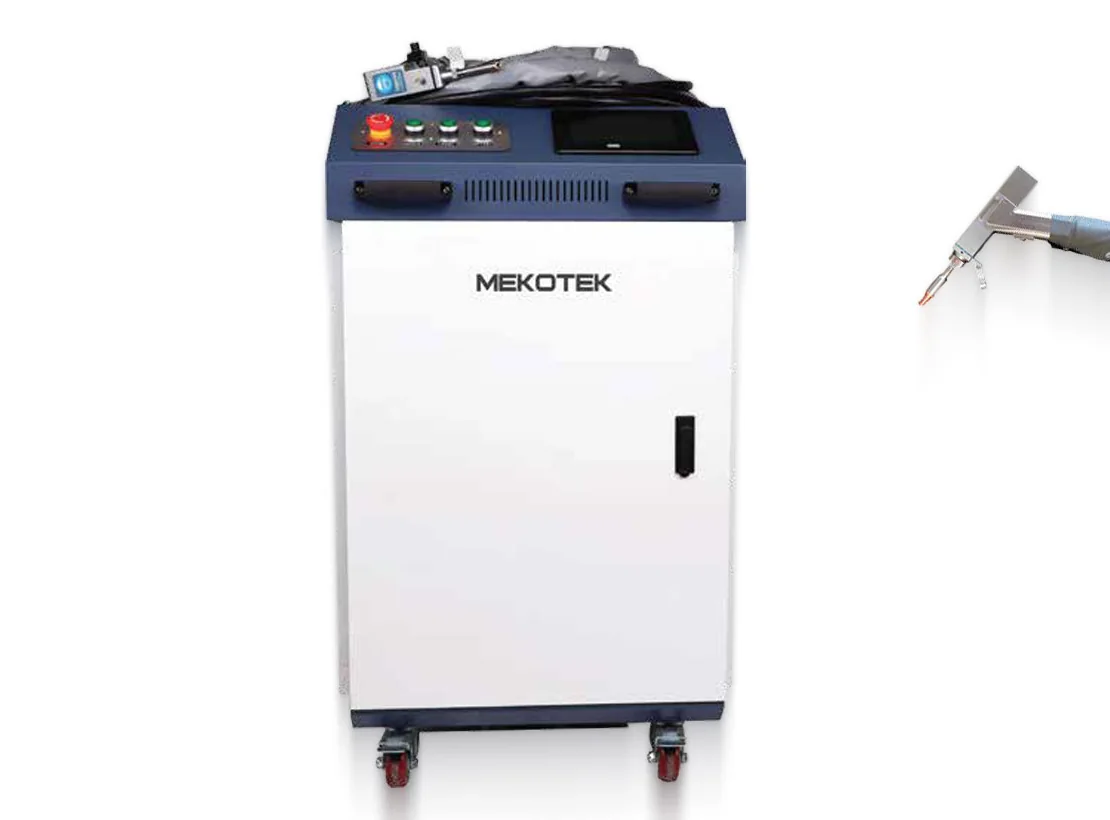
Fiber Laser Welding Guide: Process, Fit-Up and Power Selection
Handheld fiber laser welding trades broad heat input for narrow, concentrated heat — and it demands tighter fit-up than arc welding to deliver that benefit.
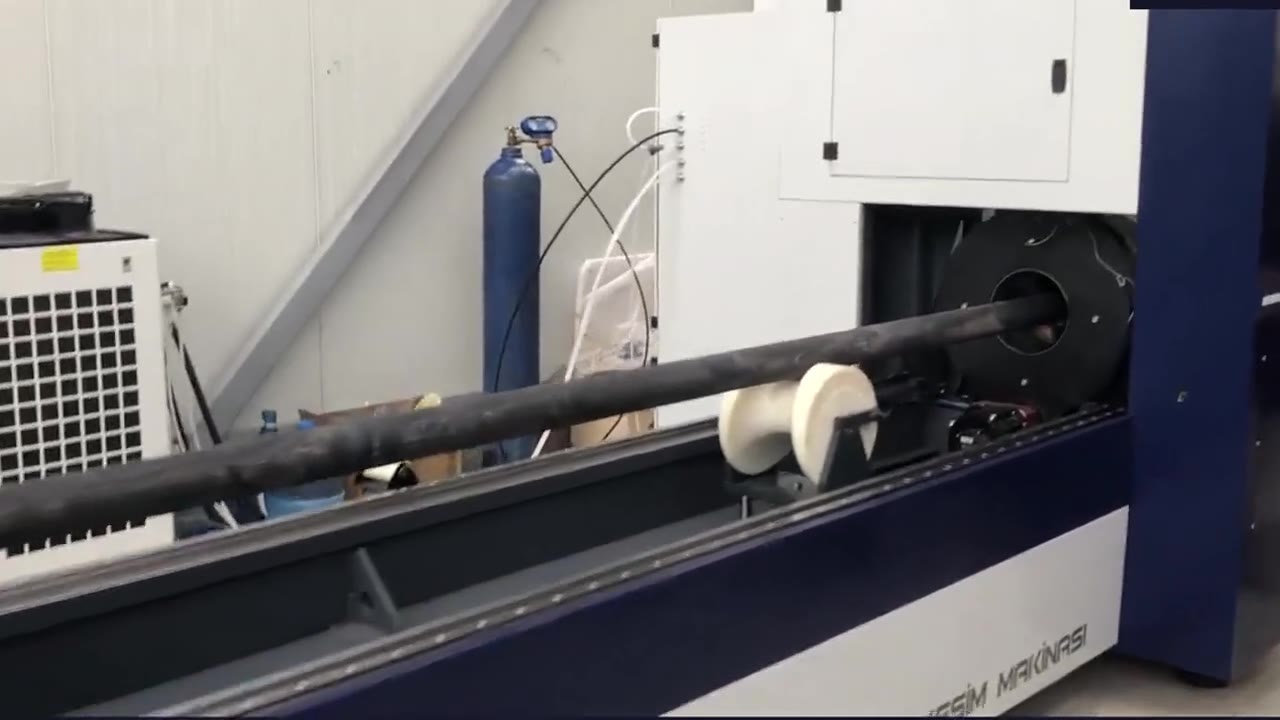
Tube Laser Cutting: Dedicated Machine or Sheet + Tube Combo
How round, square, rectangular and open-profile tube is cut on a laser, and how to decide between a dedicated tube machine and a sheet-plus-tube combo.
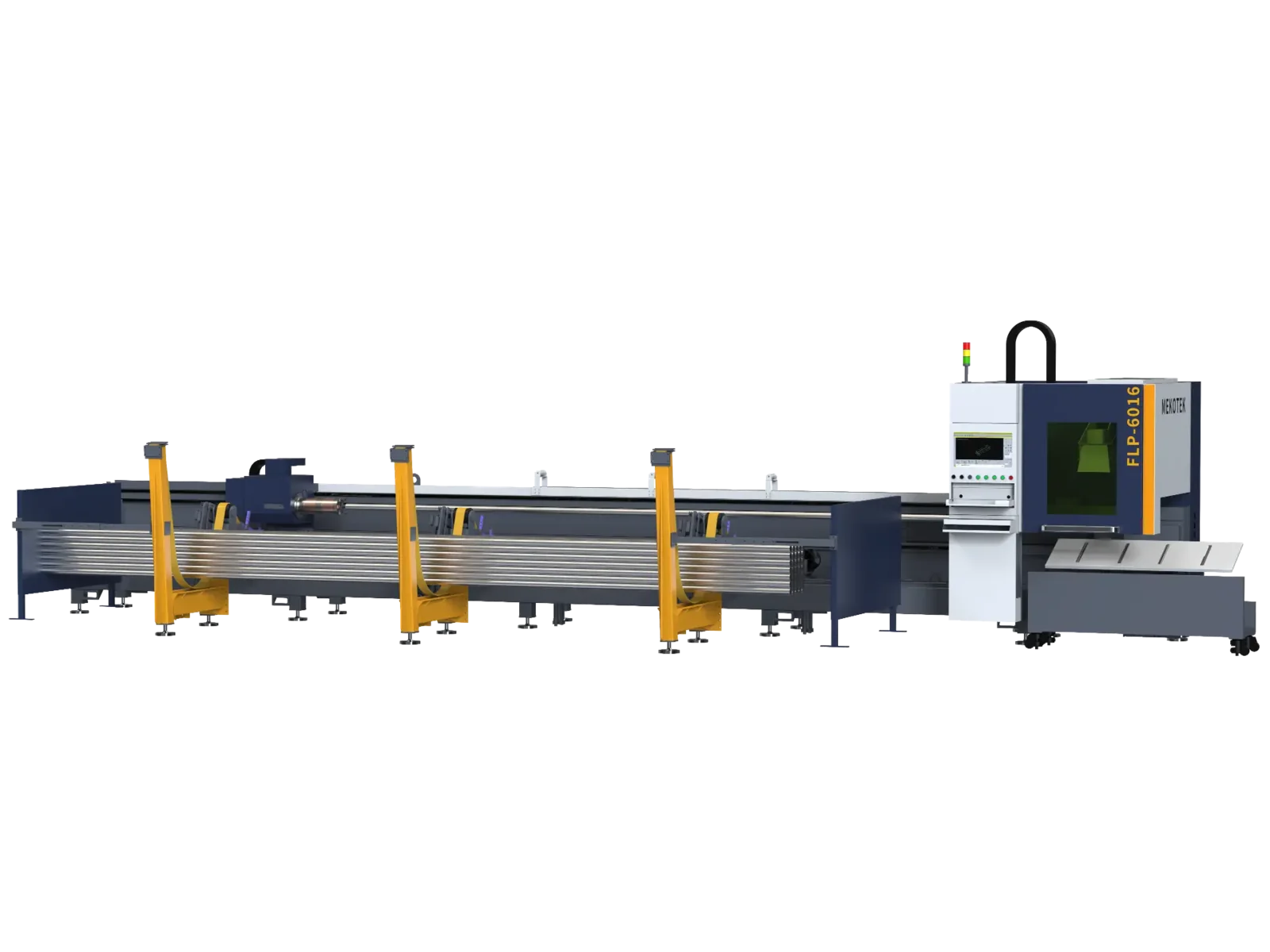
Material Handling Around a Laser: From Manual to Automated
The laser spends part of every shift waiting on metal to be moved, not cut. A stage-by-stage look at handling sheet and tube, and when automating it is justified.