
Canada's 2026 Manufacturing Outlook: What to Plan Around
By Brad Cairns
Published Updated
This article's URL retains an earlier slug referencing 2025 from before this rewrite; the content below reflects planning themes for 2026 and the URL has not been changed so that existing links continue to work. What follows is not a forecast with figures attached — it is a set of themes worth building into a fabrication shop's planning conversations this year, with what to watch for and what a shop can practically do about each one.
Automation and productivity investment
Shops facing labour constraints and cost pressure continue to look at automation — from laser cutting and press brake work with tighter unattended-run capability, to material handling and part sorting — as a way to hold or grow throughput without proportionally growing headcount. The planning question is not whether automation is worth considering in the abstract, but which specific bottleneck in your own shop it would relieve, and whether your part mix and volume justify the investment.
What to watch: which of your own processes routinely wait on an operator rather than on the machine itself — that gap is where automation investment tends to pay off first.
What to do: before evaluating specific equipment, map your own bottleneck against actual job data, not against a general industry claim about where automation tends to help.
Labour availability and skills
Recruiting and retaining skilled machine operators, programmers and maintenance technicians remains a planning constraint for many Canadian shops, and it interacts directly with the automation question above — a machine that reduces the skill or headcount required per part addresses a labour constraint as much as a throughput one. It also raises a training question: equipment that is easier to program and operate reduces the ramp time for a new hire, which matters when experienced operators are hard to find.
What to watch: how long it currently takes a new hire to become productive on your existing equipment, and whether that ramp time is a real constraint on taking new work.
What to do: when evaluating new equipment, weigh ease of programming and operation as a real selection criterion, not an afterthought — ask any vendor to demonstrate training time on the specific configuration you are considering.
Supply-chain resilience and nearer-shore sourcing
Disruptions to long-distance supply chains over recent years have pushed many manufacturers to reassess how much of their material and component sourcing depends on distant, single- source suppliers. This is prompting a broader look at nearer-shore sourcing options and at bringing more fabrication work in-house rather than depending on external cutting, forming or welding capacity that can be disrupted by someone else's supply chain. NIST's work on manufacturing supply chains documents this shift toward resilience as a planning priority for manufacturers generally, not specifically for Canada, but the underlying logic applies here as much as anywhere.
What to watch: which materials or outsourced processes in your own supply chain have only one practical source, and what happens to your schedule if that source is disrupted.
What to do: for any part family with single-source exposure, evaluate whether bringing that step in-house or qualifying a second supplier is the more resilient path for your specific volumes.
Energy and input cost pressure
Electricity, natural gas and raw material costs affect a fabrication shop's operating economics directly, and they are not within a shop's control in the way process efficiency is. What is within a shop's control is how much of that cost variability it is exposed to — through equipment efficiency, through consumption monitoring, and through decisions about when and how heavily to run energy-intensive processes.
What to watch: your own utility bills and consumption data over time, broken out by process where metering allows, rather than a general commentary about energy costs.
What to do: build energy consumption into equipment evaluation criteria alongside cutting speed and capacity, and track actual consumption after installation against what was expected.
Technology adoption
Adoption of more capable cutting, forming and welding technology, along with software for programming and scheduling, continues to be a lever available to shops looking to compete on speed and quality rather than on labour cost alone. The National Research Council's advanced manufacturing work and federal programmes through ISED both reflect continued public attention to manufacturing technology adoption as a priority area, which is useful context for a shop weighing whether public funding might apply to its own technology investment.
What to watch: whether your current equipment is the constraint on quoting new work, or whether the constraint is elsewhere in the shop — technology adoption only pays off when it targets an actual bottleneck.
What to do: before adopting new technology, confirm the specific capability gap it closes against your own part mix and quoting patterns, and check whether any current programme might support the investment — see the funding programmes overview for how to check what applies.
Trade policy and tariff exposure
Cross-border trade policy changes affect landed cost and delivery reliability for any shop that sources material, components or finished goods from outside Canada, or that exports finished parts. A tariff change or a new trade measure can shift the economics of a supply decision faster than a shop's normal quoting cycle accounts for, which makes the exposure worth mapping deliberately rather than reacting to it after a quote comes back higher than expected.
What to watch: which of your inputs and outbound shipments cross a border, and how large a share of your landed cost or sale price that crossing represents for each one.
What to do: for any material or component with meaningful cross-border exposure, identify a domestic or in-region alternative in advance, even if you do not switch to it today, so the lead time to qualify a new source is not added on top of the disruption itself.
Capital planning and financing timing
Automation, technology adoption and any move to bring outsourced work in-house often require capital equipment spending, and the financing and funding landscape around that spending changes independently of a shop's own readiness to buy. A shop that treats financing as a step to start once equipment is selected, rather than a parallel track started alongside the equipment evaluation, tends to lose weeks it did not need to lose between deciding to buy and taking delivery.
What to watch: your own lead time from equipment decision to funds available, across the financing paths you have used before — lender, lease, or internal capital approval — since that lead time is specific to your business and your existing banking relationships.
What to do: start financing conversations in parallel with equipment evaluation rather than after it, and confirm current terms directly with a lender rather than assuming rates or approval timelines from a prior purchase still apply. The financing guide works through the financing paths available to a Canadian shop in more detail.
Quoting speed as a competitive factor
None of the themes above matter if a shop cannot turn a quote around fast enough to win the work in the first place. Faster, more accurate quoting depends on knowing your own real cycle times, material costs and machine utilization — data that many shops have inconsistently, scattered across job records rather than compiled into a reference a quoting estimator can use quickly. Improving quoting speed is less often a software problem and more often a data discipline problem: the estimator needs current, accurate numbers from your own shop, not a faster tool applied to outdated assumptions.
What to watch: how much of your quoting time is spent looking up information that should already be on hand — current material pricing, actual cycle times by part family, current machine utilization — versus time spent on the estimate itself.
What to do: build a maintained internal reference for cycle times and costs by part family, updated on a regular schedule, so quoting speed improves independent of any new software or equipment purchase.
Putting the themes together
None of these five themes stands alone in a real shop's planning. A labour constraint pushes toward automation; automation raises a financing and, potentially, a funding question; supply -chain exposure pushes toward in-house capability, which raises the same financing question again. The practical approach is to treat 2026 planning as one connected conversation — capacity, labour, supply chain, cost and technology — rather than five separate initiatives, and to base each decision on your own shop's data rather than an industry-wide claim.
Sources
- NRC Canada — Advanced Manufacturing Initiative
- ISED — Strategic Response Fund
- NIST — Manufacturing supply chain reports
These sources provide general research and programme context, not Mekotek product claims or forecasts. If you are evaluating a specific equipment decision against these themes, contact Mekotek or review the equipment range.
See the machines behind the article
Browse the full Mekotek product brochure, or book a live demo and watch a Mekotek fiber laser cut your own material.
Related Articles
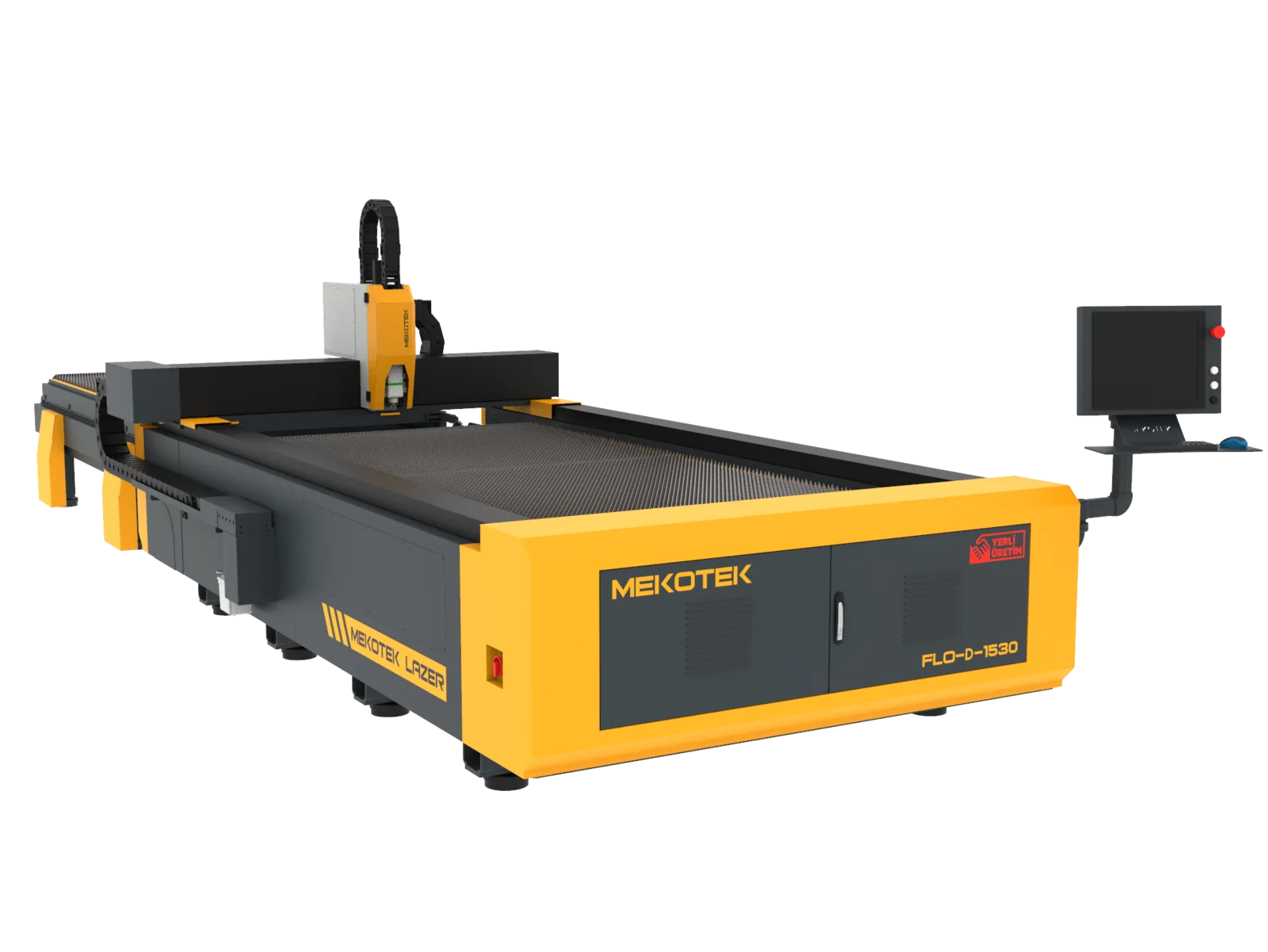
Industry 4.0 in a Fabrication Shop: What It Means in Practice
Industry 4.0 done in order: clean data first, dashboards last. Here is the sequence a fabrication shop can actually implement, and what breaks when it is skipped.
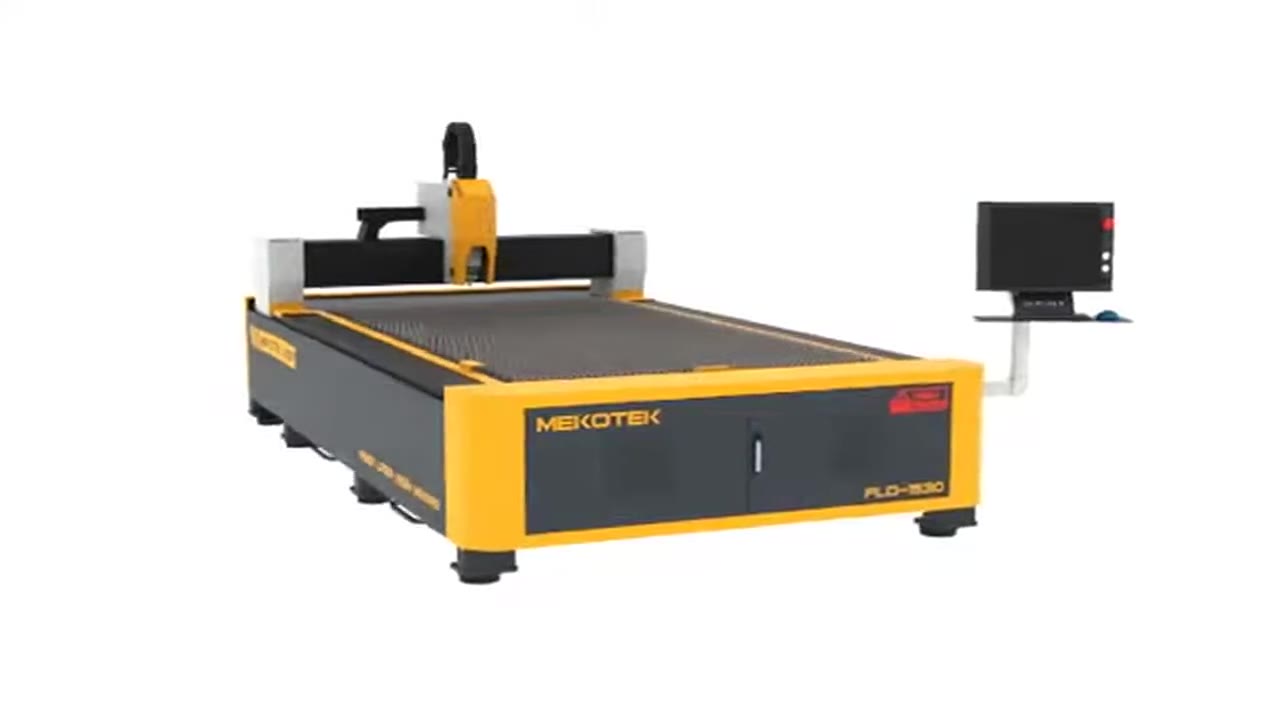
Measuring Waste and Energy in a Laser Cutting Cell
A measurement guide to material yield, energy, assist gas, filter media and coolant in a laser cutting cell, with what to compare against and what a shop can actually control.
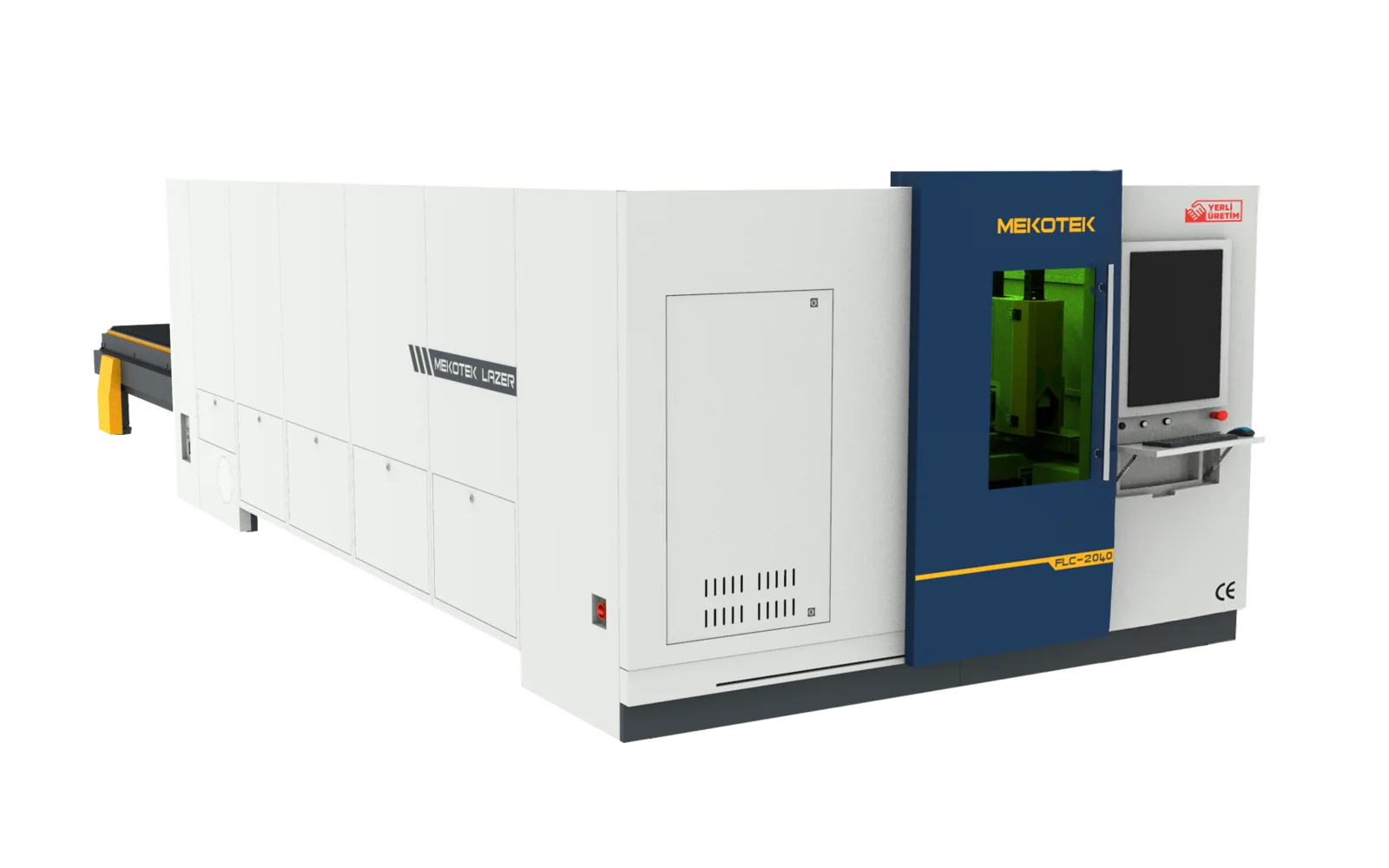
Reshoring Decisions: Which Parts to Bring Closer, and How
A framework for deciding which part families are worth bringing closer to home: total landed cost, risk exposure, required capability, and a staged rollout.